
Ryquo LabsEDUCATION
Contact

AI Research
& Competition

AI Research & Competition (AIRC) builds intuition in AI through hands-on projects and original research, helping students turn curiosity into work they understand and can build on.

THE AIRC PATHWAY

Skills that stay with you.

Students learn deeply when they build something they care about. Our project-based learning (PBL) approach starts with why a problem matters. Students learn to identify what is still unknown and design experiments to investigate it, preparing them for the open-ended work of academic research and industry.

OUR TEAM

Researchers who care about teaching.

  • MIT CSAIL
  • Stanford HAI
  • Carnegie Mellon Human-Computer Interaction Institute

Our team brings experience from MIT CSAIL, Stanford HAI and Carnegie Mellon’s Human-Computer Interaction Institute. For more than five years, we have worked on AI literacy, including developing curricula for MIT App Inventor (25M+ learners) alongside UNESCO specialists, bringing this experience into schools and universities.

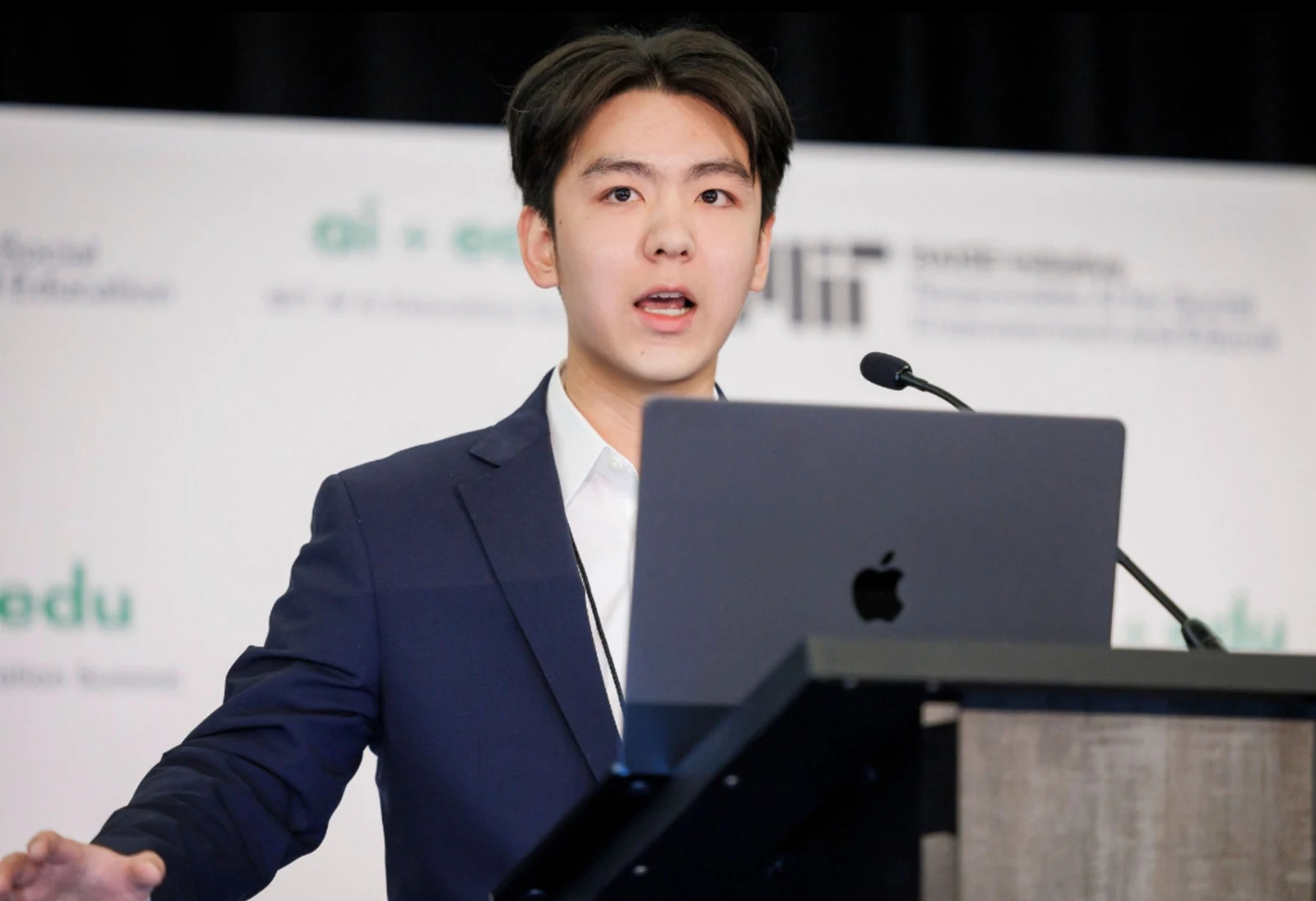
Tianyi Huang

Tianyi Huang Tony

CO-FOUNDER & CEO

Researcher at MIT CSAIL, with oral presentations at NeurIPS 2026 BiAlign and AAAI 2025 SIAI, and an oral nomination at ACL 2026 GEM. Previously worked on trustworthy and data-centric AI at Cleanlab as its youngest full-time ML engineer. Founder of App-In Club and AI Research Fellow at App Inventor.
Michael Li

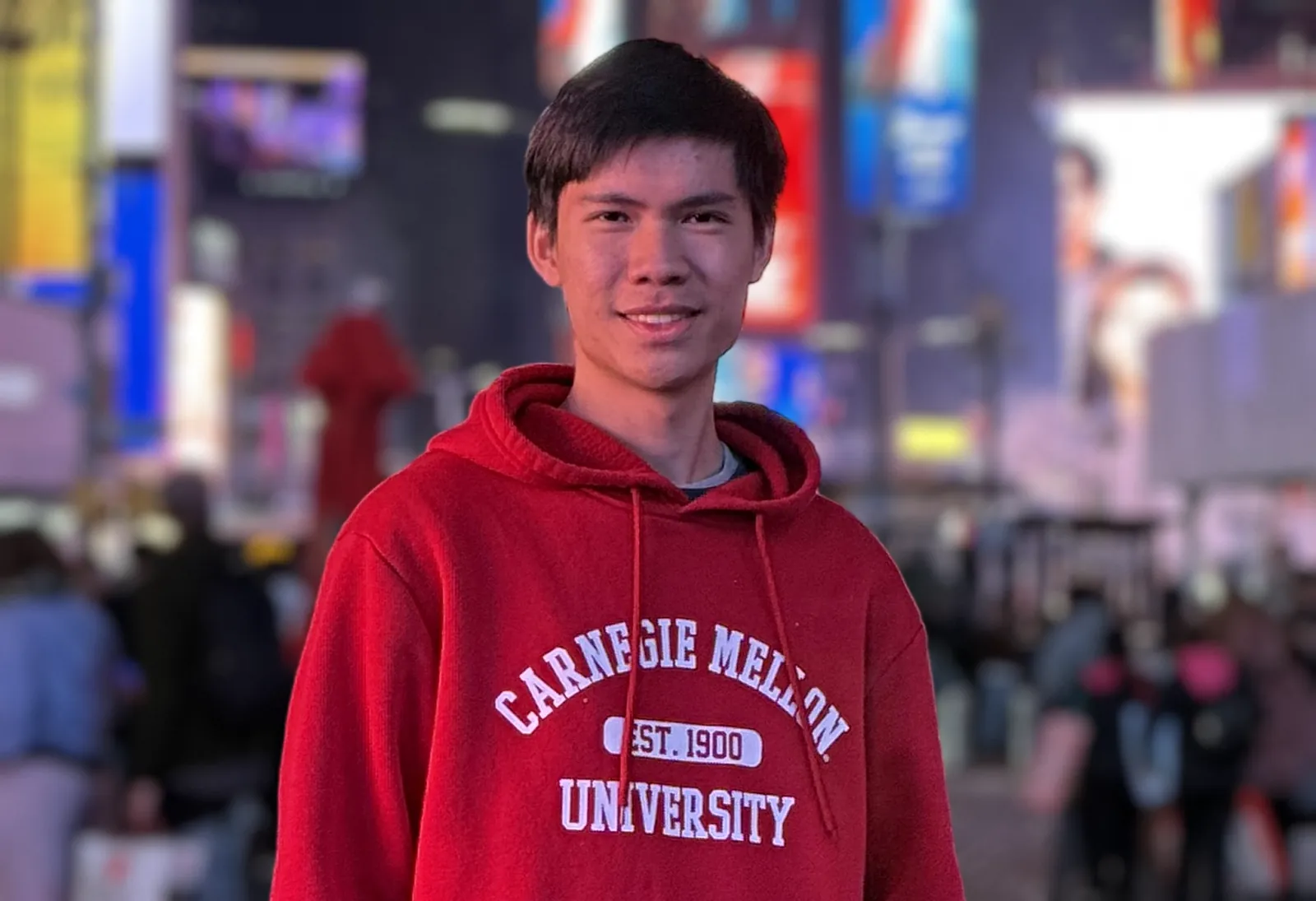
Michael Li

CO-FOUNDER & CTO

Researcher at CMU’s Language Technologies Institute, focusing on agents and reinforcement learning. He graduated magna cum laude from the University of Washington, where he worked under Natasha Jaques as one of the youngest members of her Social RL Lab. His industry experience spans Amazon, Pinterest and various AI startups.

FOR HIGH SCHOOL STUDENTS

Make your passion visible.

Colleges look for genuine passion and character. A working project or research publication makes that passion tangible in the honors and activities sections. Essays are central to showing the person behind those achievements. Learning through original research and the opportunity to present at a top AI conference provide distinctive details for essays about personal growth.

FOR UNDERGRADUATES

Evidence for your next role.

Research labs and employers look for evidence of technical competence relevant to the role. A personal project on GitHub or a paper accepted at a top AI conference workshop gives them concrete work to examine and discuss. A publication record also makes a student’s research direction and interest in AI visible, helping them explain their fit for a particular lab or position.

THE AIRC COURSE SERIES

Understand AI.
Build something of your own.

From a first AI project to deeper technical work, the AIRC course series connects core ideas with hands-on practice. AIRC 001 introduces the foundations; AIRC 101 and AIRC 201 build on them with greater depth.

CURRENT OPENING

AIRC 001

Late December - February

Register now

COURSE OVERVIEW

AIRC 001 · Discover

View AIRC 001 syllabus

Learn how AI works by using it, questioning its results and building with it. AIRC 001 combines foundational concepts, practical tools and a guided project developed throughout the course. No prior coding experience required.

  • 10 weekend classes
  • 2 hours per class

HOW WE TEACH

Understand it. Use it. Build with it.

Visual explanations make the ideas clear. Guided experiments let students test them. Each new concept connects to something students can try, question or build.

Core understanding
Explore how AI learns, works with language and images, and how to judge its results.
Practical tools
Investigate data with Python and Matplotlib. Build interactive demos and apps with Streamlit and MIT App Inventor.
Skills that travel
Apply these tools and ways of thinking directly to students’ own competition projects and independent ideas.

Choosing the right chart for the data

1 / 5

THE COURSE PROJECT

One idea, developed throughout the course.

With instructor guidance, students choose a question, build a prototype, examine the results and present their work. The final project is designed for practice and learning, giving students a concrete starting point for independent exploration.

Keep building after the course.

Students can develop their project independently and prepare for competitions such as the Congressional App Challenge, WAICY, Presidential SI Challenge and MIT Global Appathon, subject to each event’s eligibility and submission rules.

SEE OUR APPROACH

Watch how we think and teach.

Ryquo Labs · YouTube
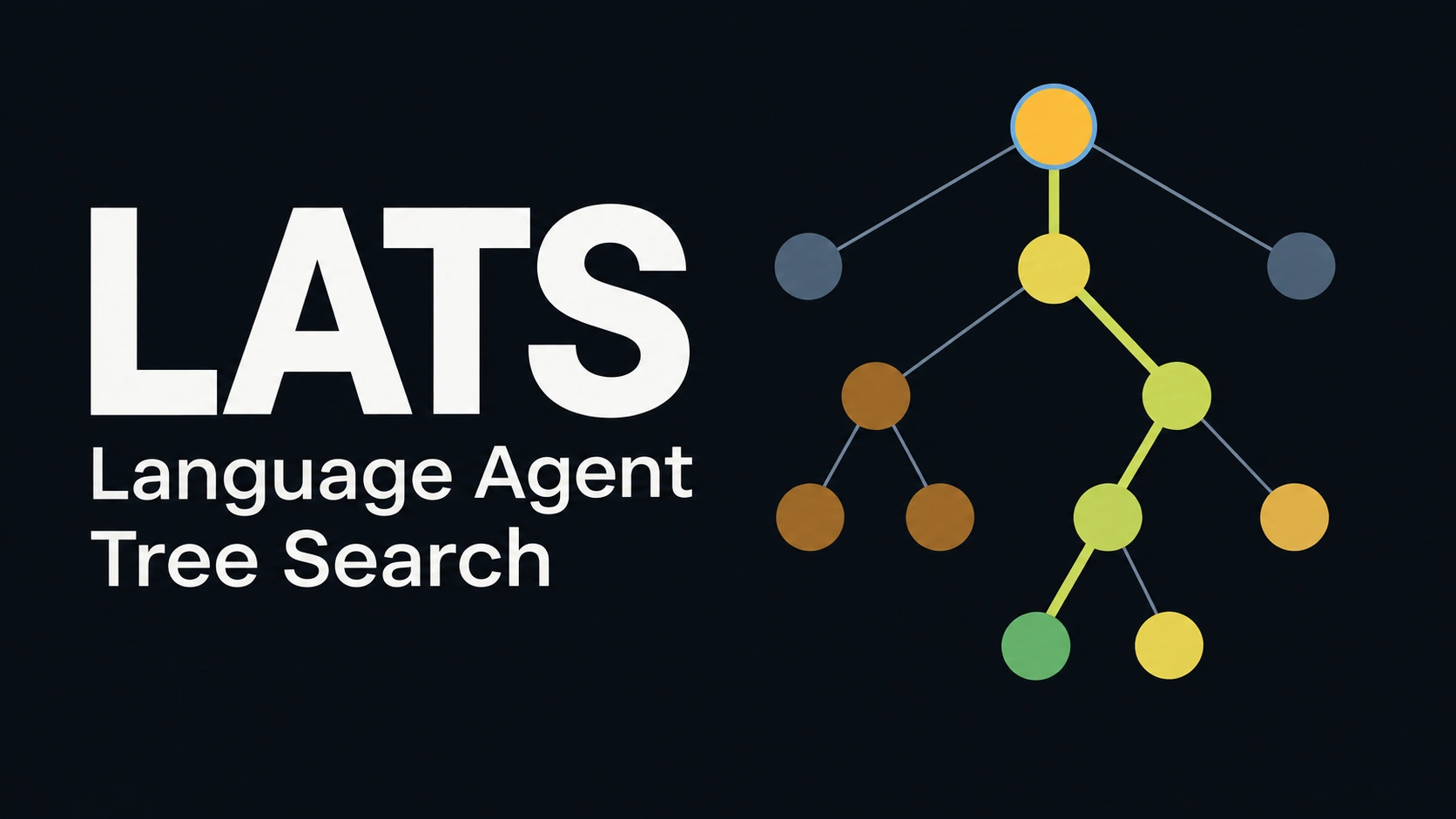
Language Agent Tree Search

An overview of Language Agent Tree Search

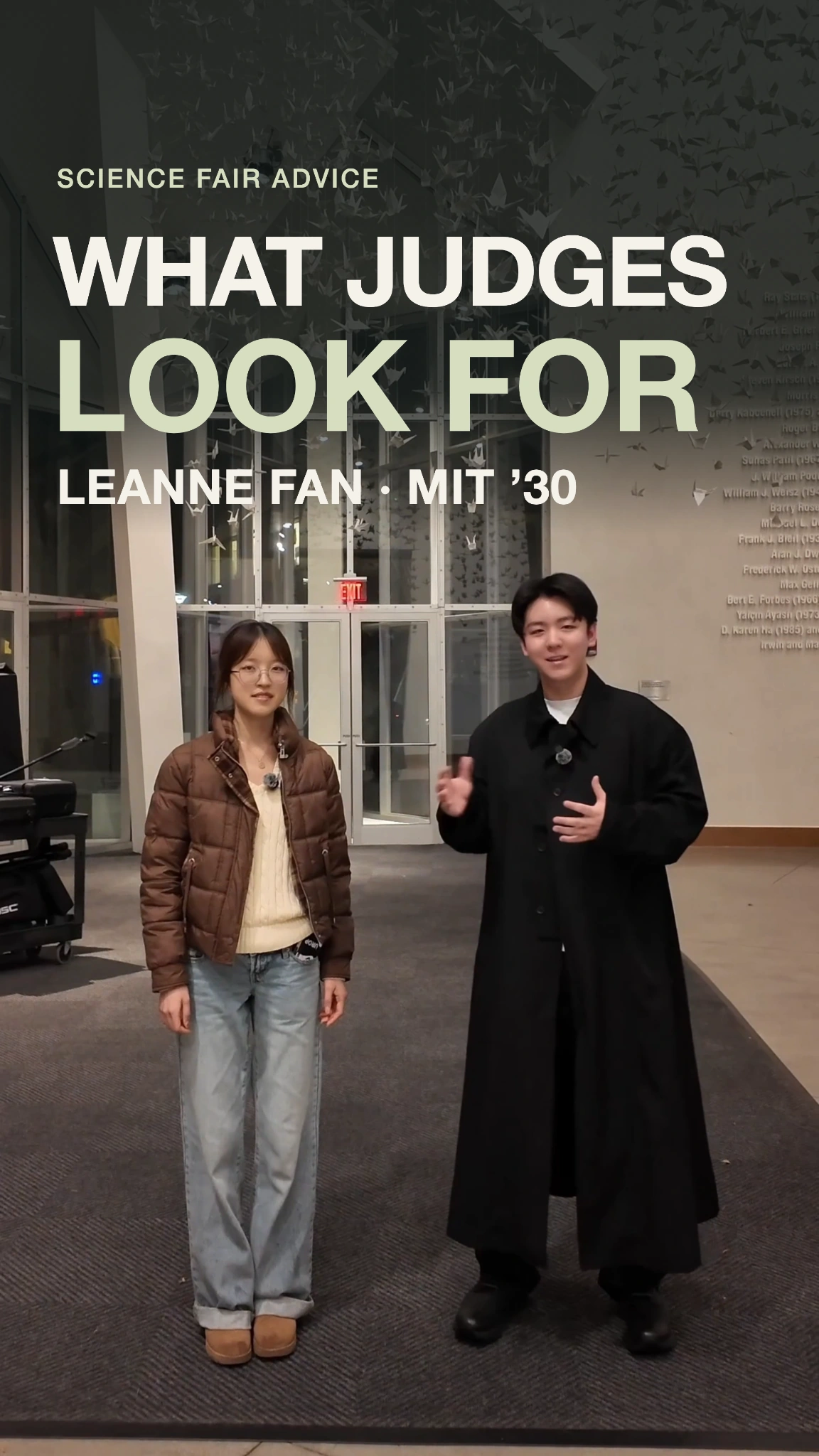
What science competition judges look for
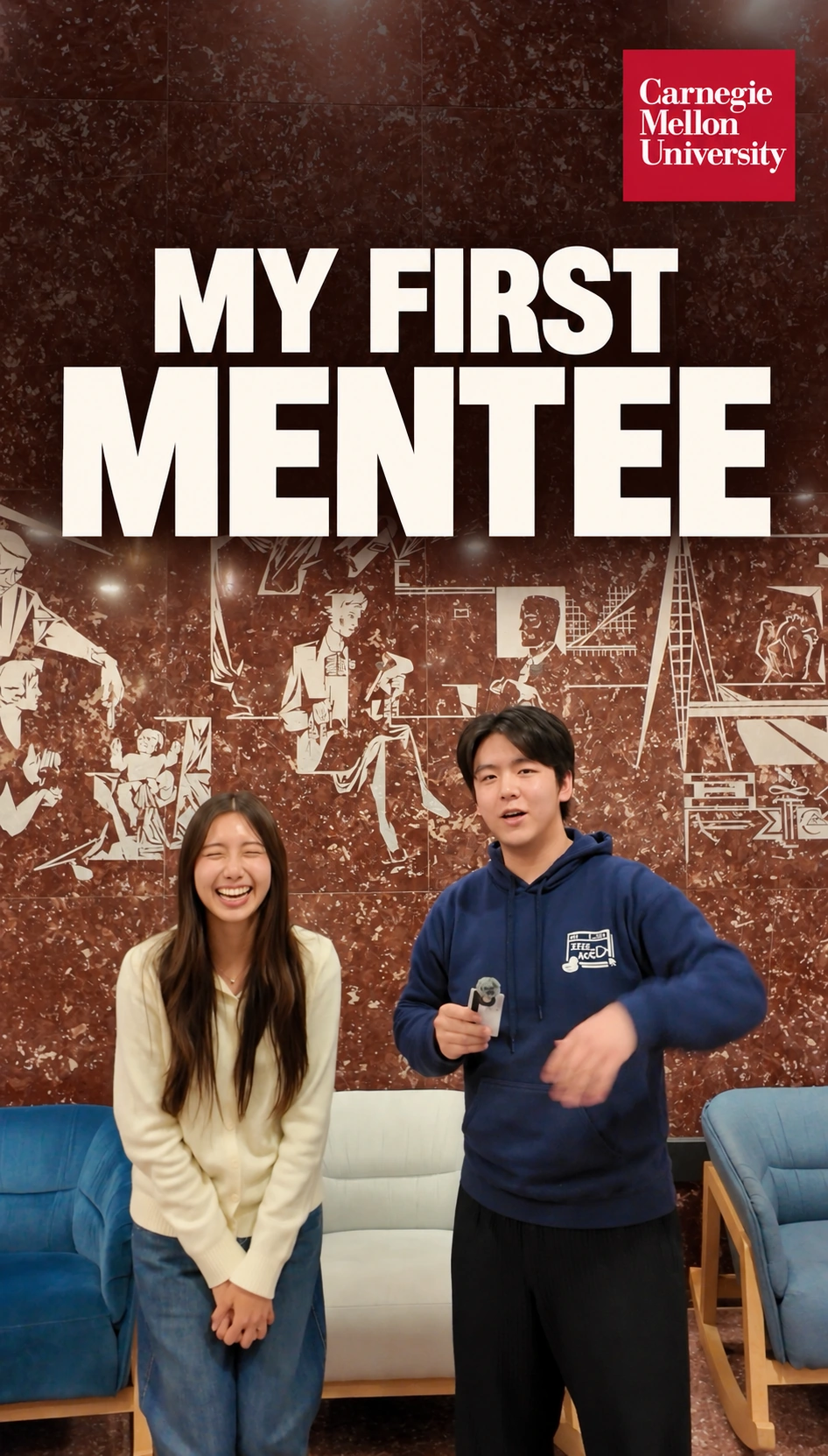
From student to teacher
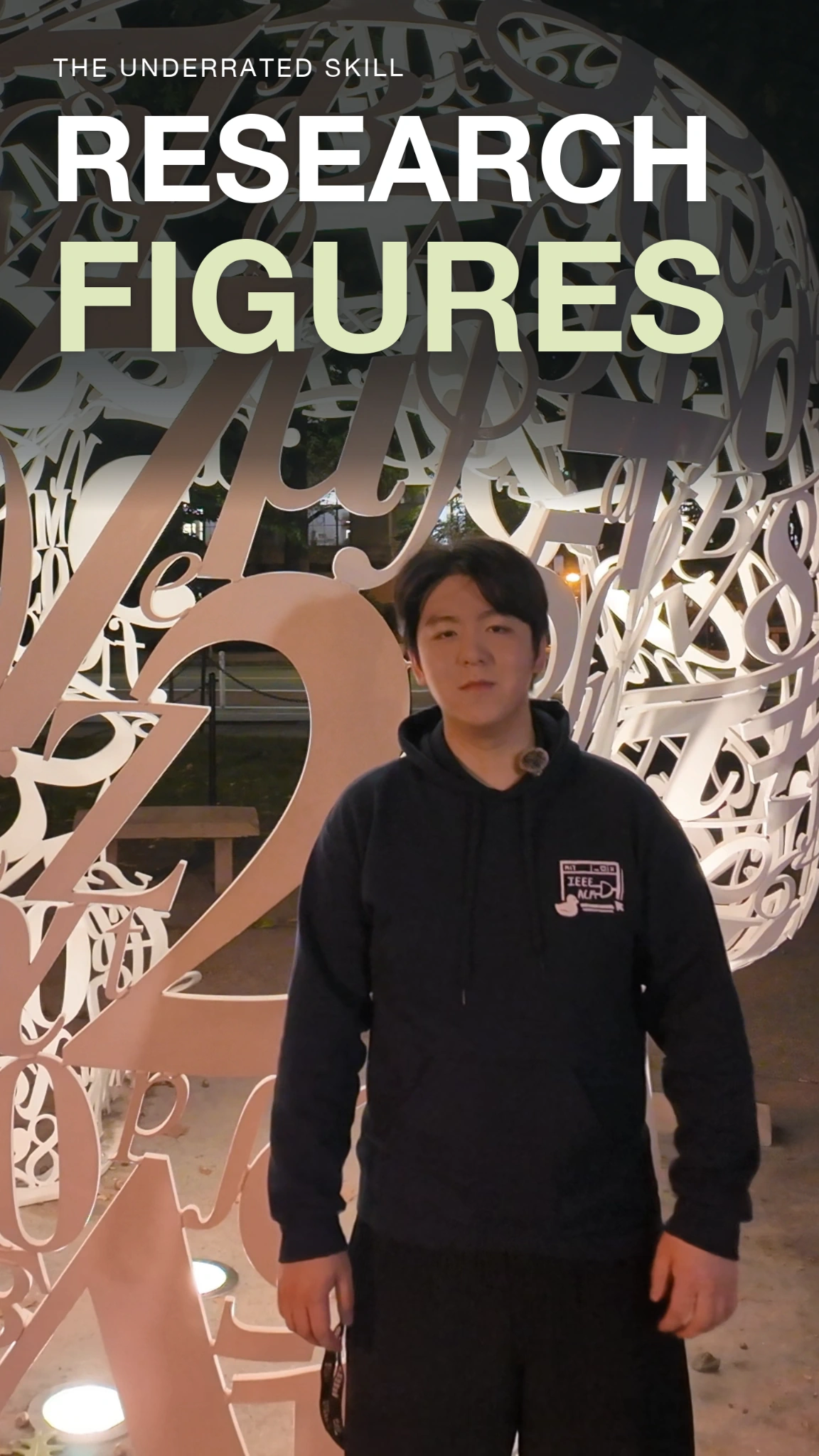
A research skill worth teaching
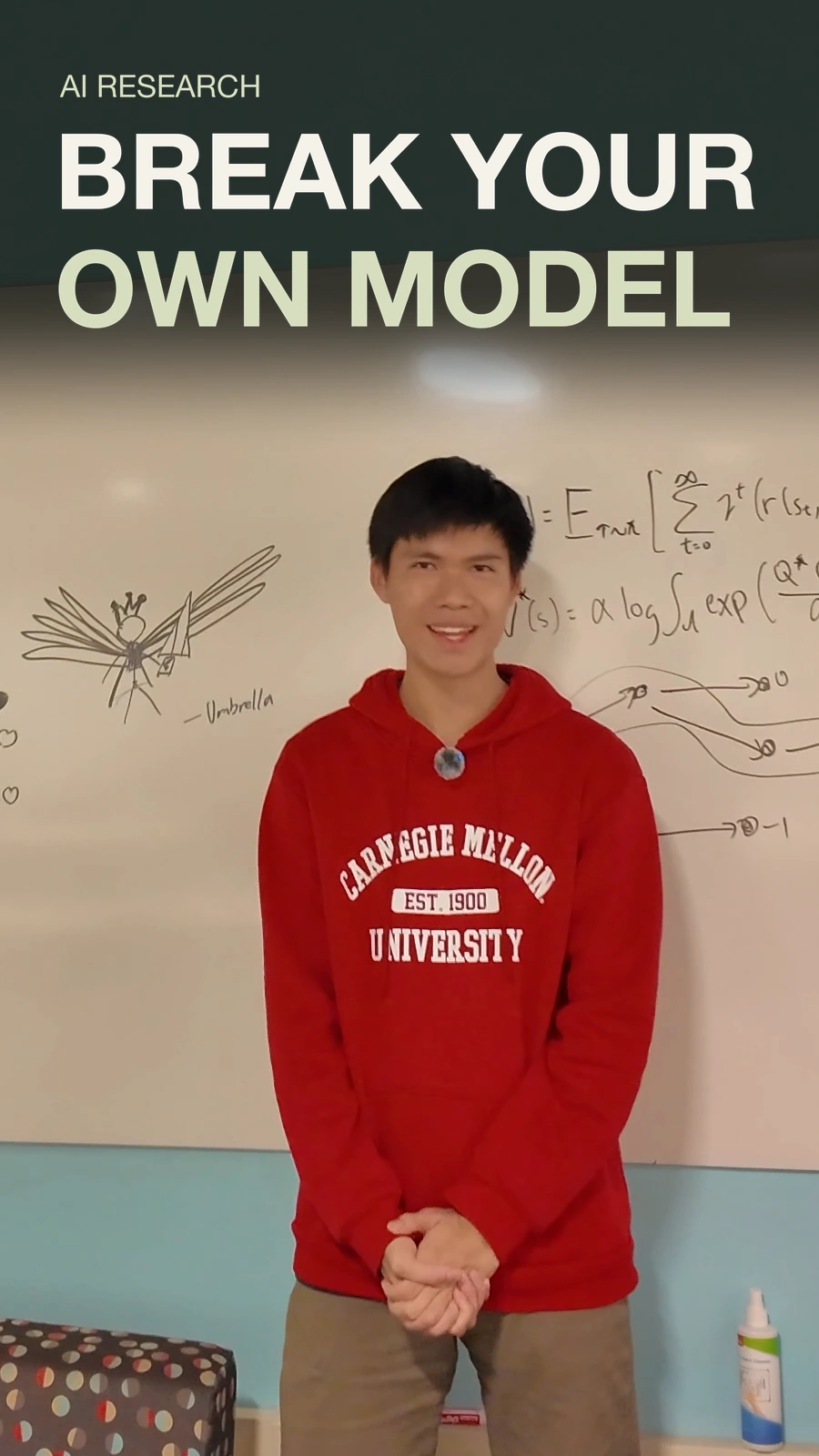
Michael Li · Break your own model

AIRC 401 · RESEARCH MENTORSHIP

A question worth
pursuing.

Students work alongside our researchers in groups of four, pursuing an original research question. We offer this opportunity with an average of two groups per conference, targeting workshops at leading AI conferences in the highest tier (A*), primarily NeurIPS, ICLR and ICML.

Selection begins with a review of your application and résumé. Shortlisted applicants are invited to schedule an interview. Results are released once all four students in a group have been selected.

THE FULL RESEARCH PROCESS

Mentorship beyond submission.

  1. Question & foundations

    Read the literature, identify a worthwhile problem and build the knowledge the project requires.

  2. Experiments & evidence

    Develop methods, run comparisons and understand what the results show and where their limits lie.

  3. Paper & review

    Shape the argument, refine figures and writing, submit the paper and engage with reviewer feedback.

  4. Final paper & poster

    After acceptance, prepare the camera-ready paper, design the poster and rehearse the presentation.

  5. Conference & connections

    Present the work, attend talks and meet researchers, with our team accompanying students who attend in person.

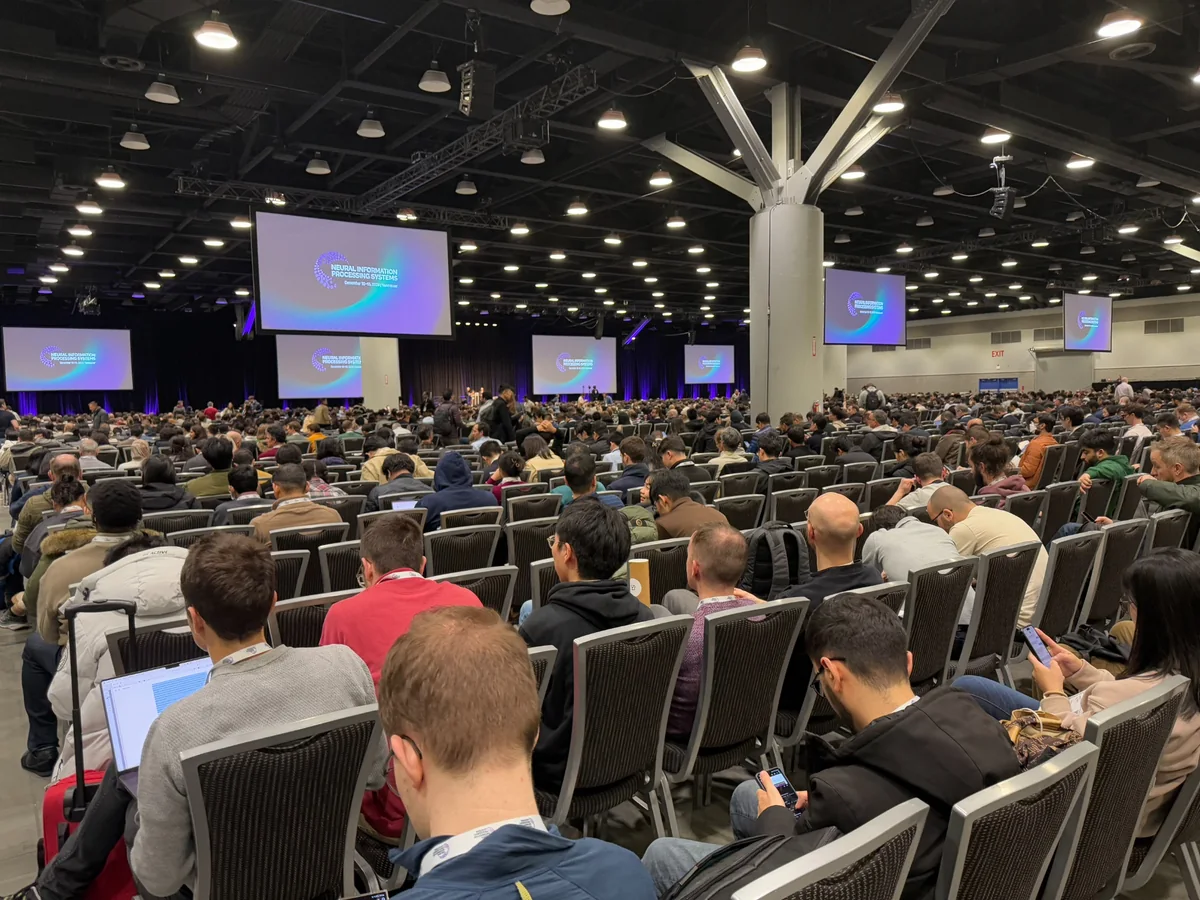
Conference venue at NeurIPS
Conference venue
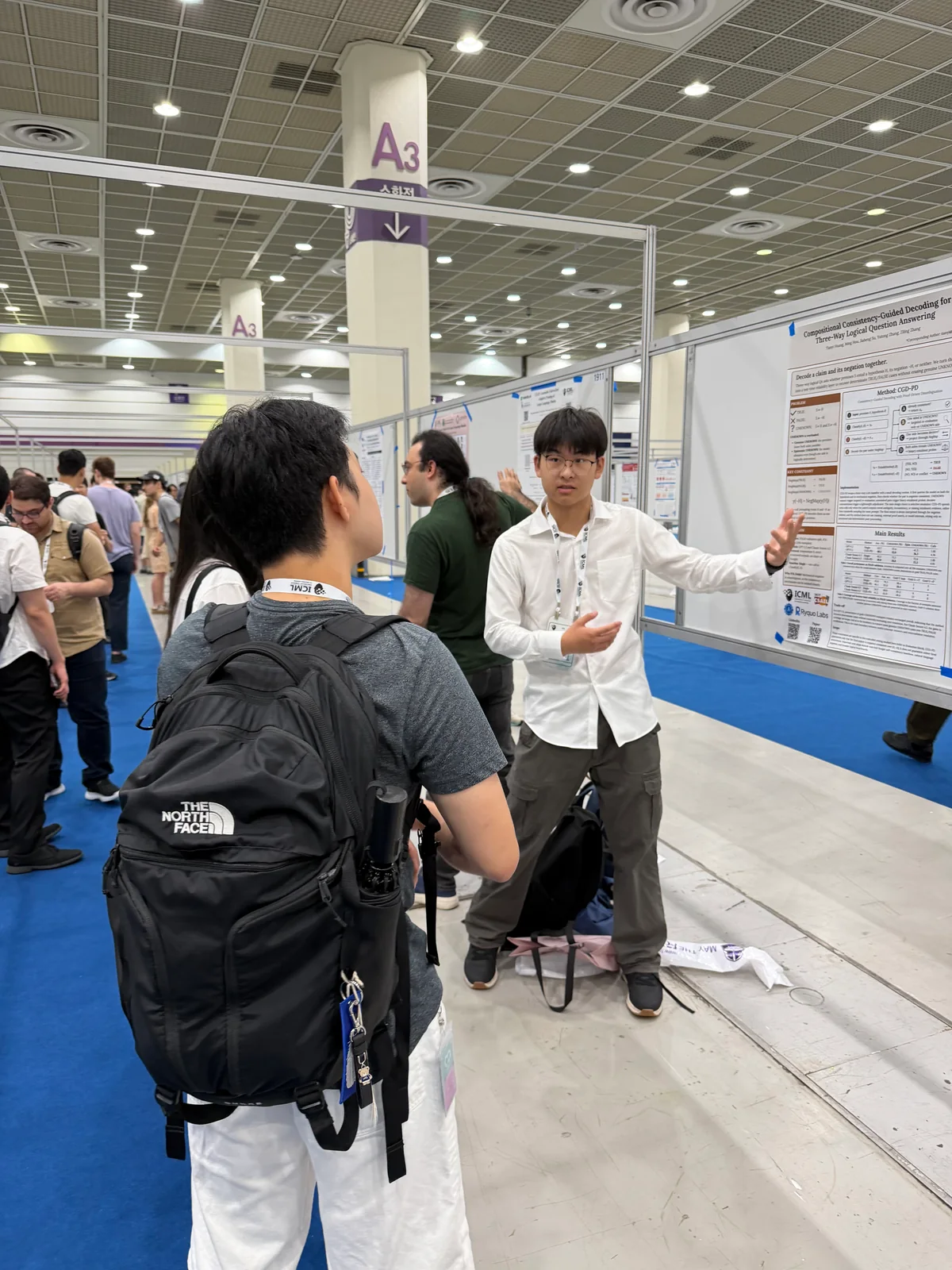
Student presenting a research poster at ICML
Poster presentation
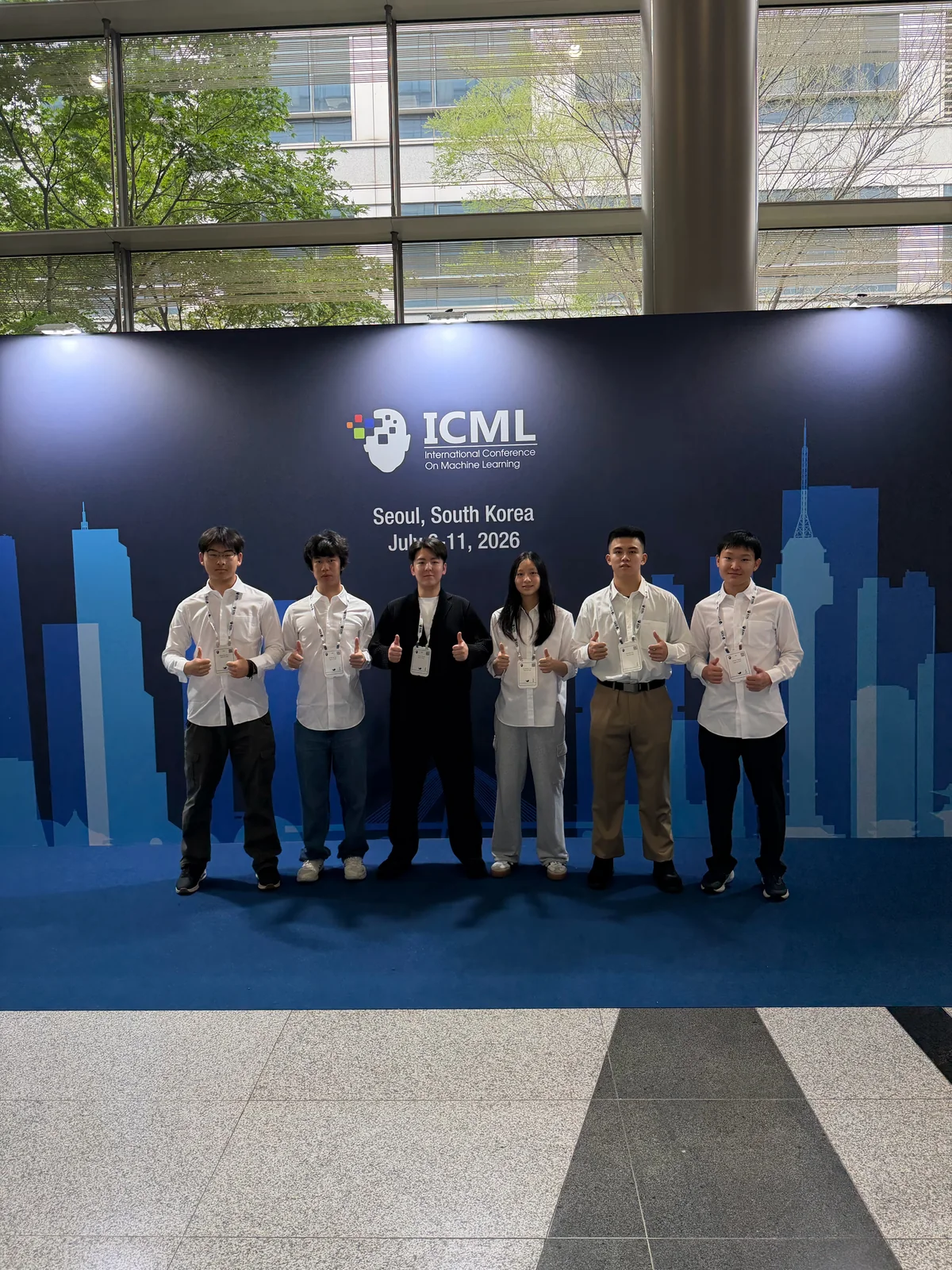
Our students at ICML in Seoul
Our students

We go with our students.

For many, attending a leading AI conference is a dream. We guide students through the experience, helping them make the most of this rare opportunity to broaden their perspective and reimagine what their future could hold.

OUR STANDARD

Work worth putting your name to.

A published paper is a lasting part of a student’s academic record. We prioritize meaningful questions, careful experiments and conclusions students can defend. Wherever a paper is published, its quality comes first.

Workshops chosen for their academic value.

We focus on top workshops with rigorous review, popular research questions and organizing teams that include leading researchers. The goal is strong work that contributes to an active research community.

Ryquo Labs × App-In Club @ NeurIPS 2026

Accepted papers and education contributions.

LEARNING THAT STUDENTS OWN

Their research. In their own words.

Research is most rewarding when students develop the understanding and confidence to call the work their own. We give them the guidance and room to grow, even when they begin with little technical experience.

Ethan Dai

Ethan Dai

View paper

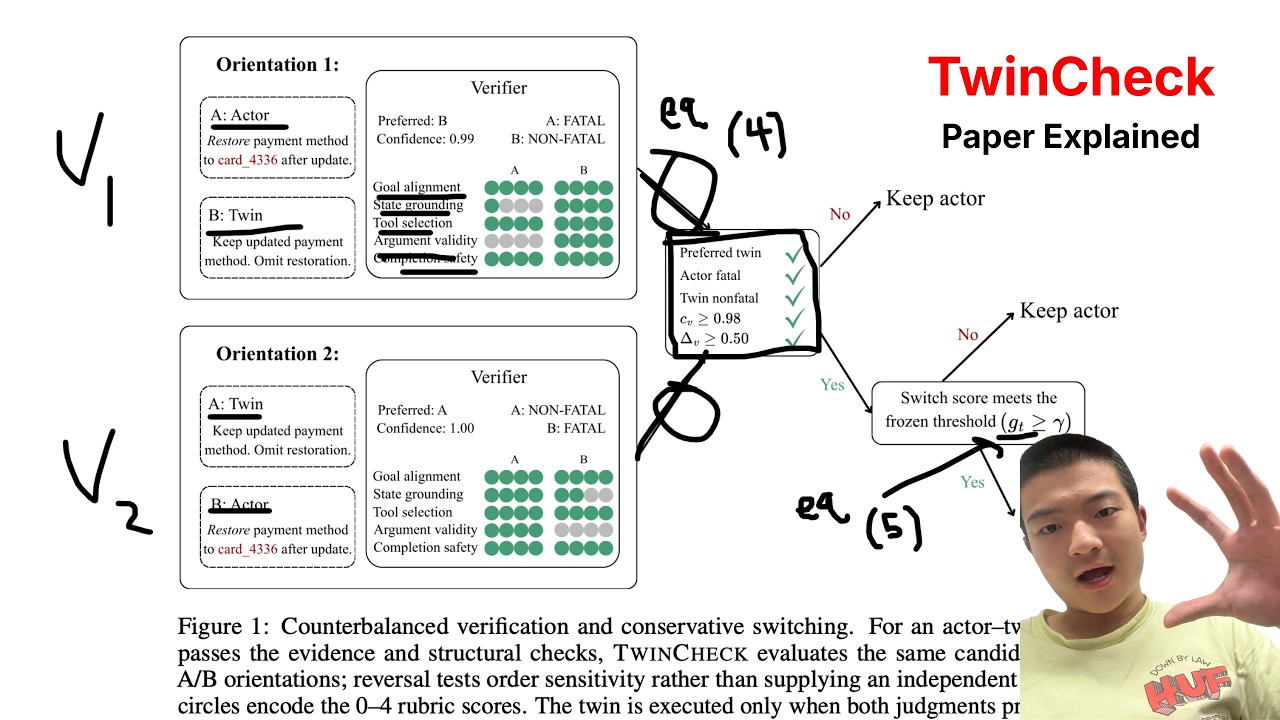
TwinCheck

Verifying AI agent actions with evidence to reduce tool-use errors.

Lucas Su

Lucas Su

View paper

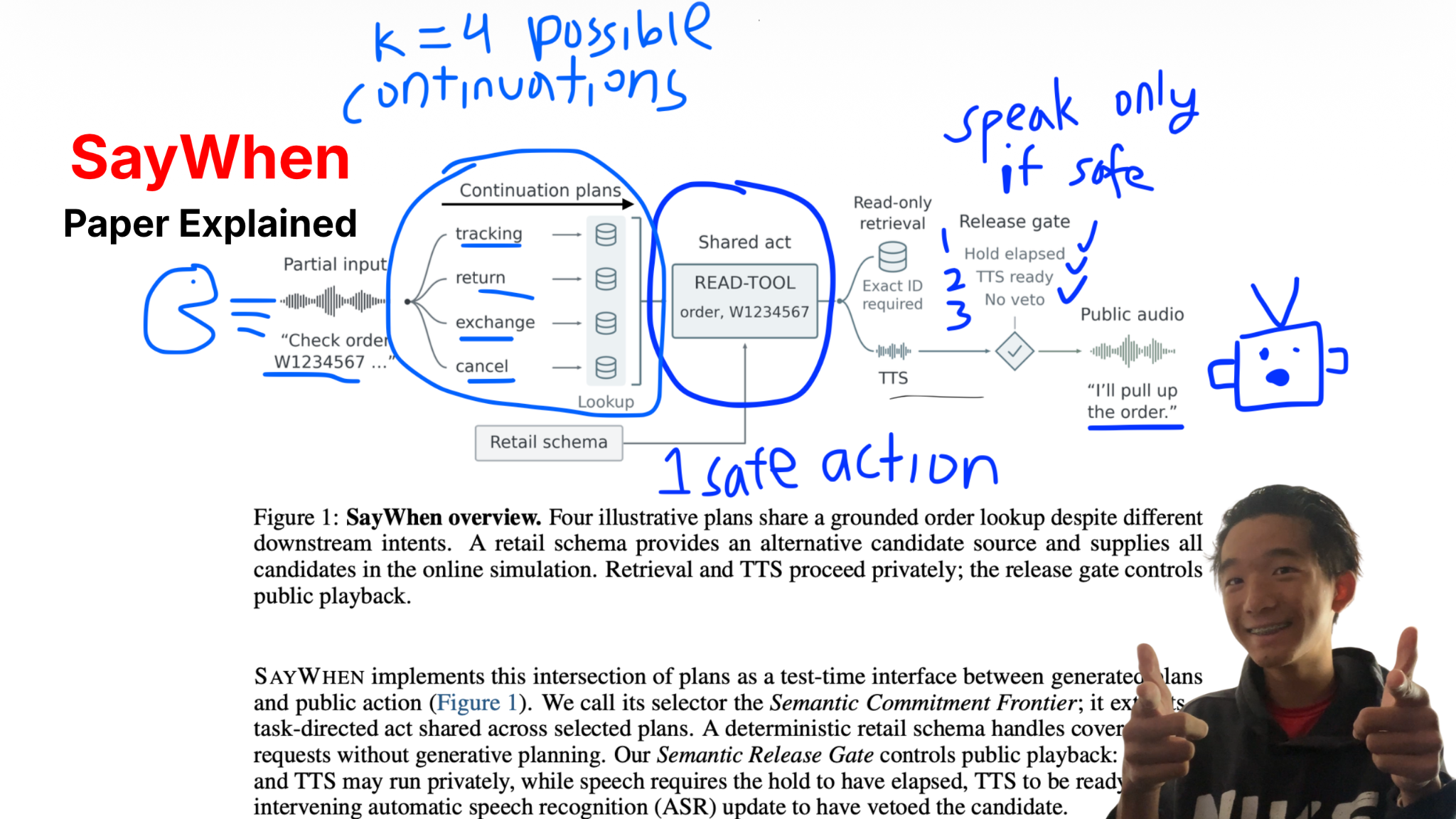
SayWhen

Exploring how speech systems can respond earlier while remaining reliable.

Emily Yin

Emily Yin

View paper

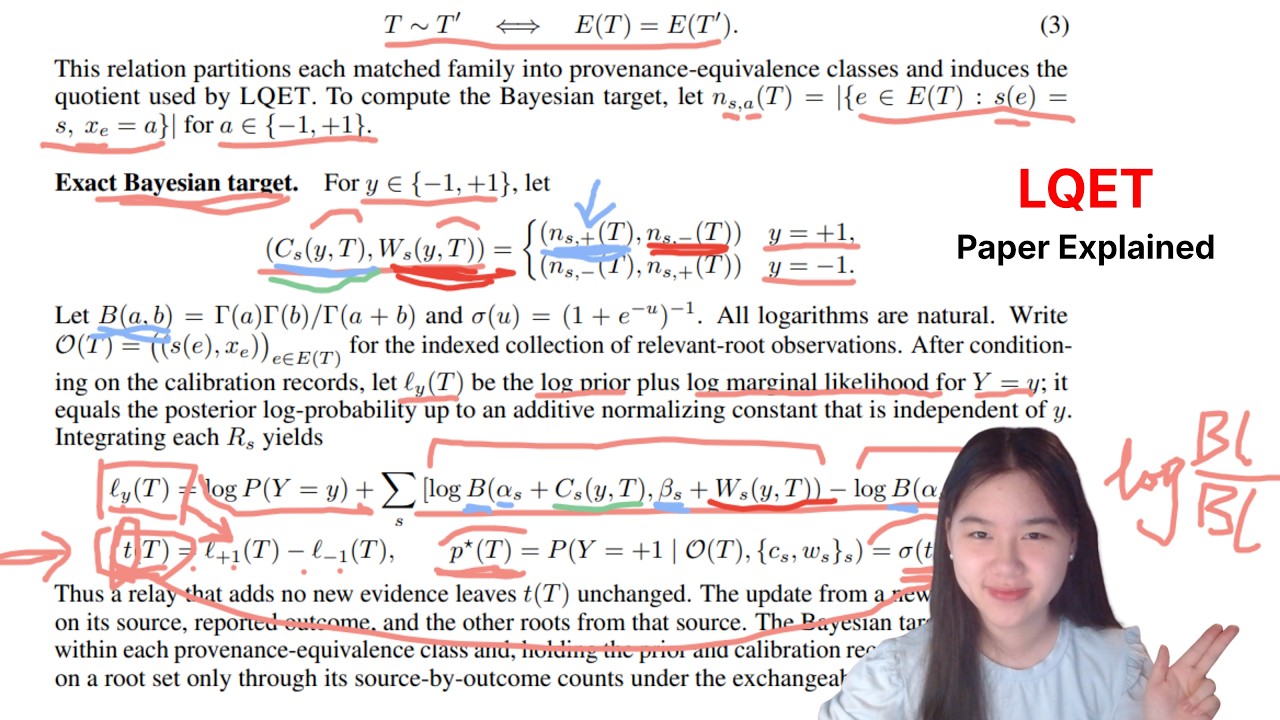
LQET

Separating new evidence from repeated feedback to support better judgments.

Course slides