Skip to content

AI Research & Competition

A mind of
your own.

Learn to understand, build, and question AI.

Explore programs
Lunar descentLive

AI Research and Competition (AIRC) teaches students how AI works and how to investigate it. From a first app to original research, students learn to turn questions into experiments and explain what the evidence shows.

Research published & presented at
  • NeurIPS
  • ICLR
  • ICML
  • ACL
  • AAAI

Behind the curriculum

Research belongs
in the classroom.

Our team brings experience from MIT CSAIL, Stanford HAI, and Carnegie Mellon's Human-Computer Interaction Institute.

For more than five years, we have worked on AI literacy, including developing curricula for MIT App Inventor (25M+ learners) alongside UNESCO specialists. This work extends to AI education in schools and universities.

  • MIT CSAIL
  • Stanford HAI
  • Carnegie Mellon Human-Computer Interaction Institute

Slide 1 of 10: How neural networks recognize patterns. A neural network diagram connects input, hidden, and output layers with the equations used to calculate their values.

How neural networks recognize patterns. Slide 1 of 10. A neural network diagram connects input, hidden, and output layers with the equations used to calculate their values.

Courses

Choose your
starting point.

Build the knowledge, tools, and judgment
to explore ideas independently.

No technical background needed

Make an idea your own.

Explore what AI can do, then use it to make something of your own. Interactive tools, App Inventor, and a first encounter with research help students learn how to begin and what to try next.

What you'll take awayAn app project, a short abstract, and experience presenting your ideas, with tools to keep exploring independently.

AIRC 001: Discover selected.

Research mentorship

A question worth
pursuing.

Learn directly from our research team. Discover where your curiosity can lead.

AIRC 301 · Research

Pursue an original question.

Develop an original research project with sustained mentorship. Define a question, design the experiments, and learn to turn the results into a paper that makes a clear contribution.

What you'll take awayAn original research project and a paper developed through sustained feedback.

Where it can lead

Student competitions and journals, with scope for suitable IEEE and ACM conferences.

AIRC 401 · By invitation

Contribute to the frontier.

Develop a novel method with published researchers and test it against strong alternatives. For students ready to make a focused contribution to an active research direction.

What you'll take awayA focused research contribution, rigorous experiments, and a paper prepared for peer review.

Where it can lead

Workshops at leading AI conferences in the highest tier (A*), including:

Our community

In good company.

Our community includes U.S. Olympiad team members, ISEF first-place category winners, and Thermo Fisher JIC grand award recipient. They come from leading high schools and universities, including Phillips Exeter, Groton, MIT, Harvard, Stanford, and beyond.

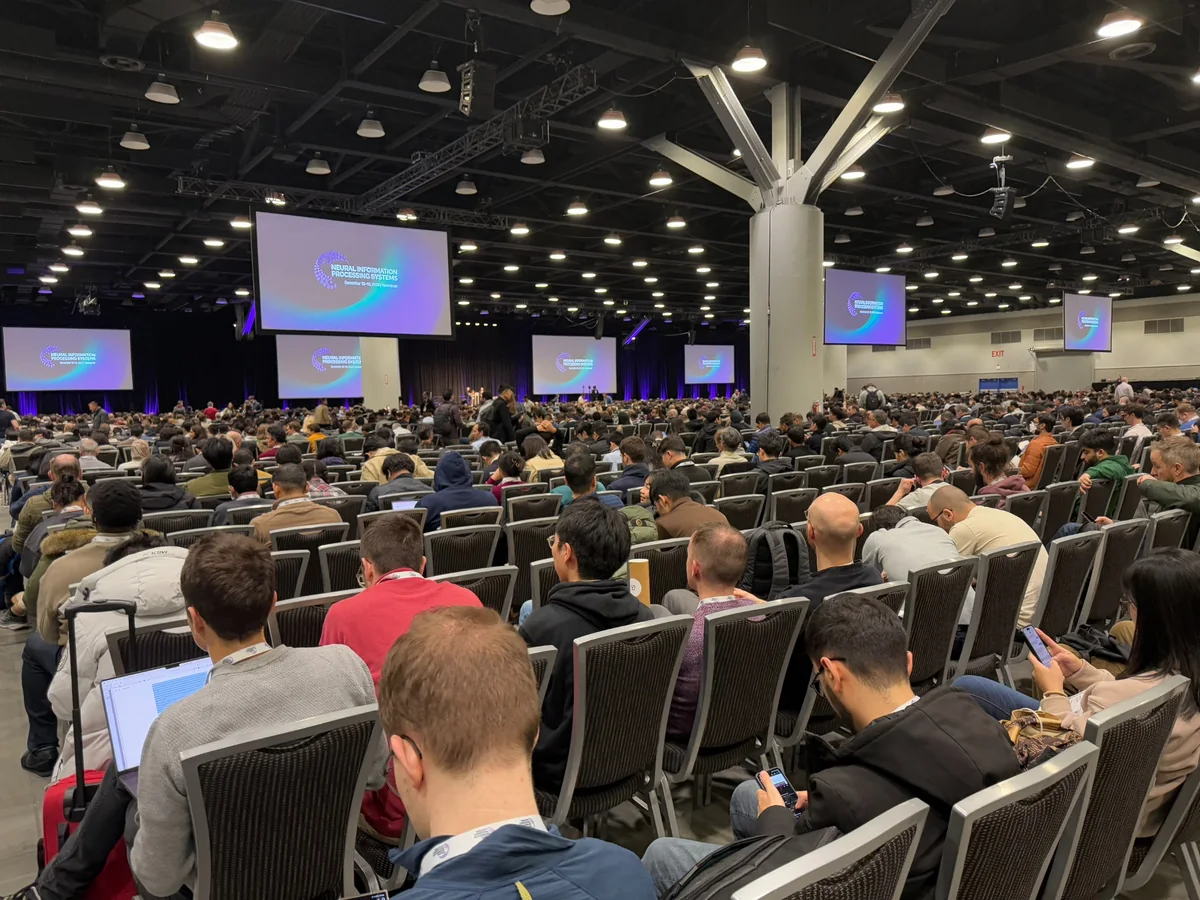
An audience gathered for a conference session at NeurIPS.
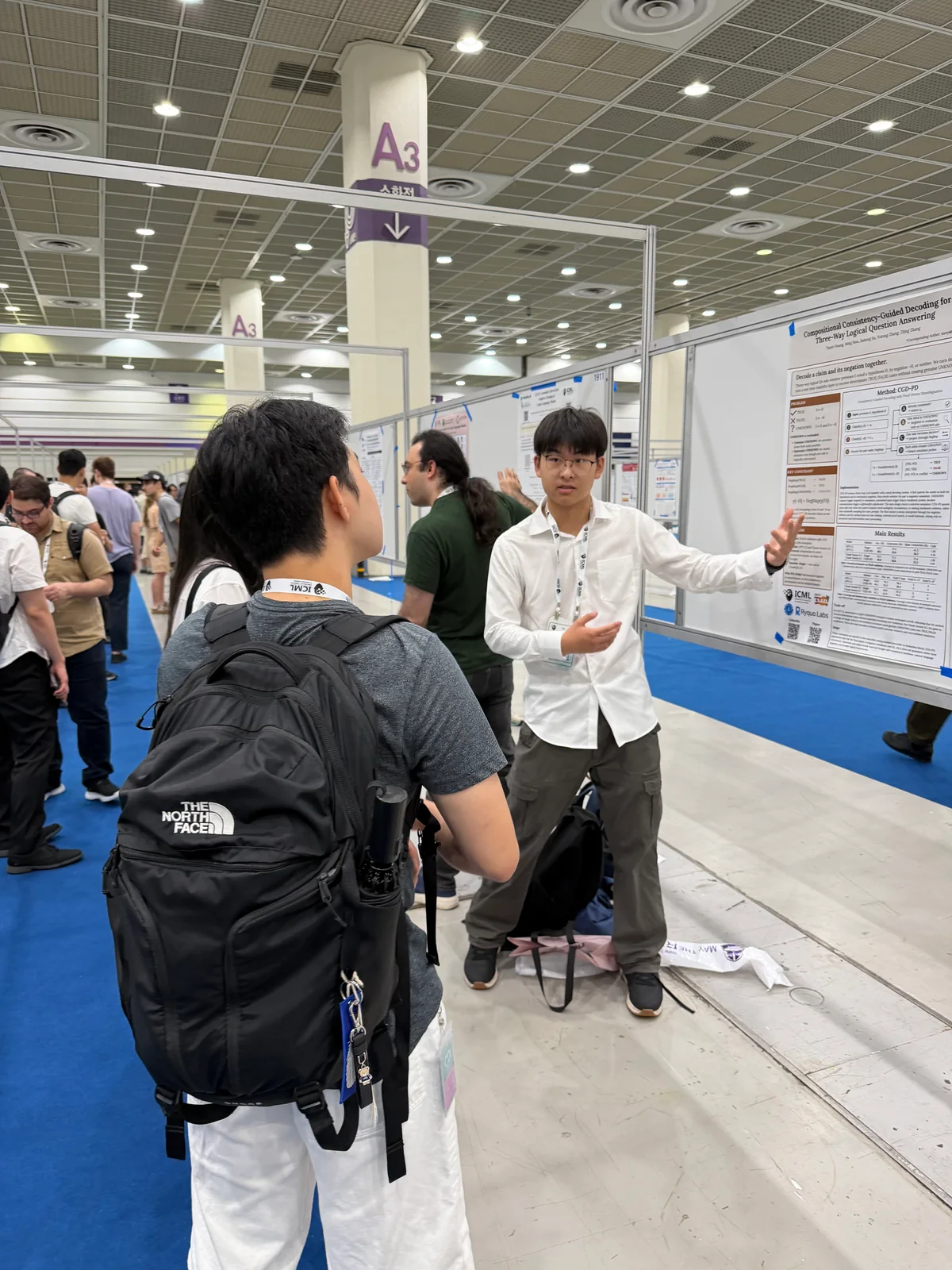
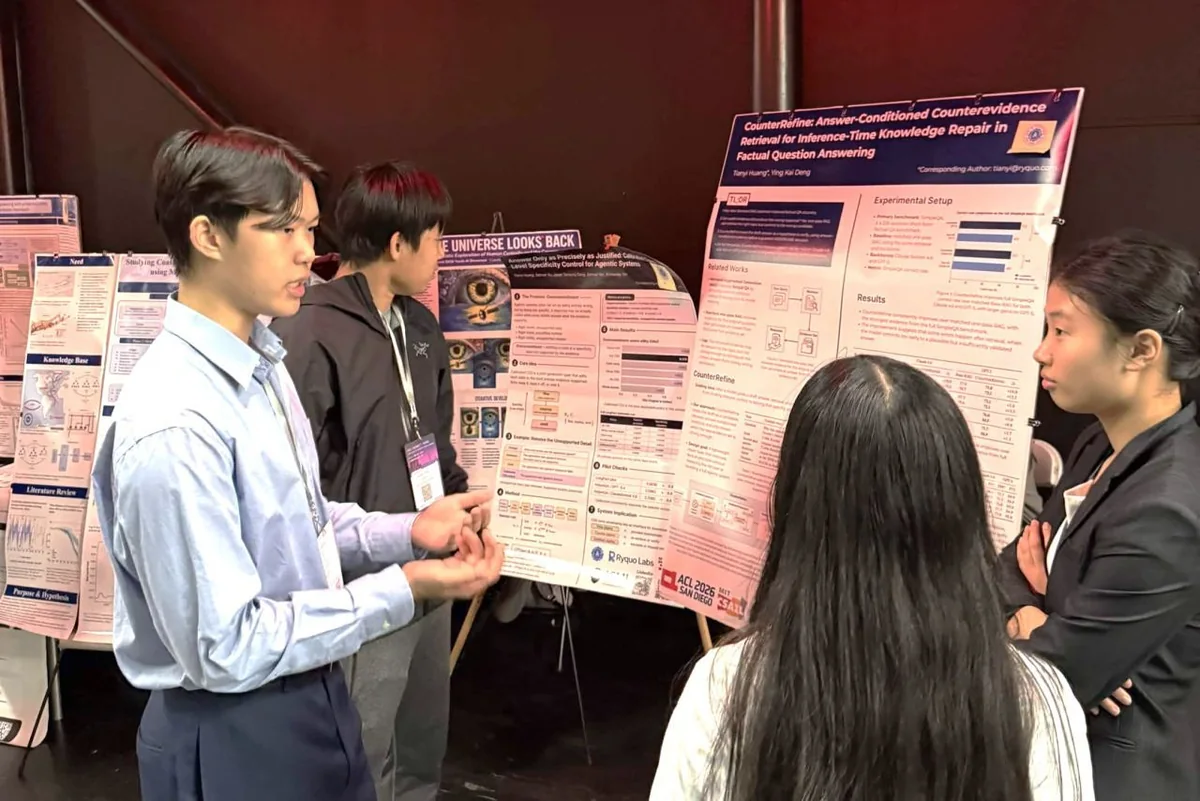
A student explaining a research poster to visitors at ICML.
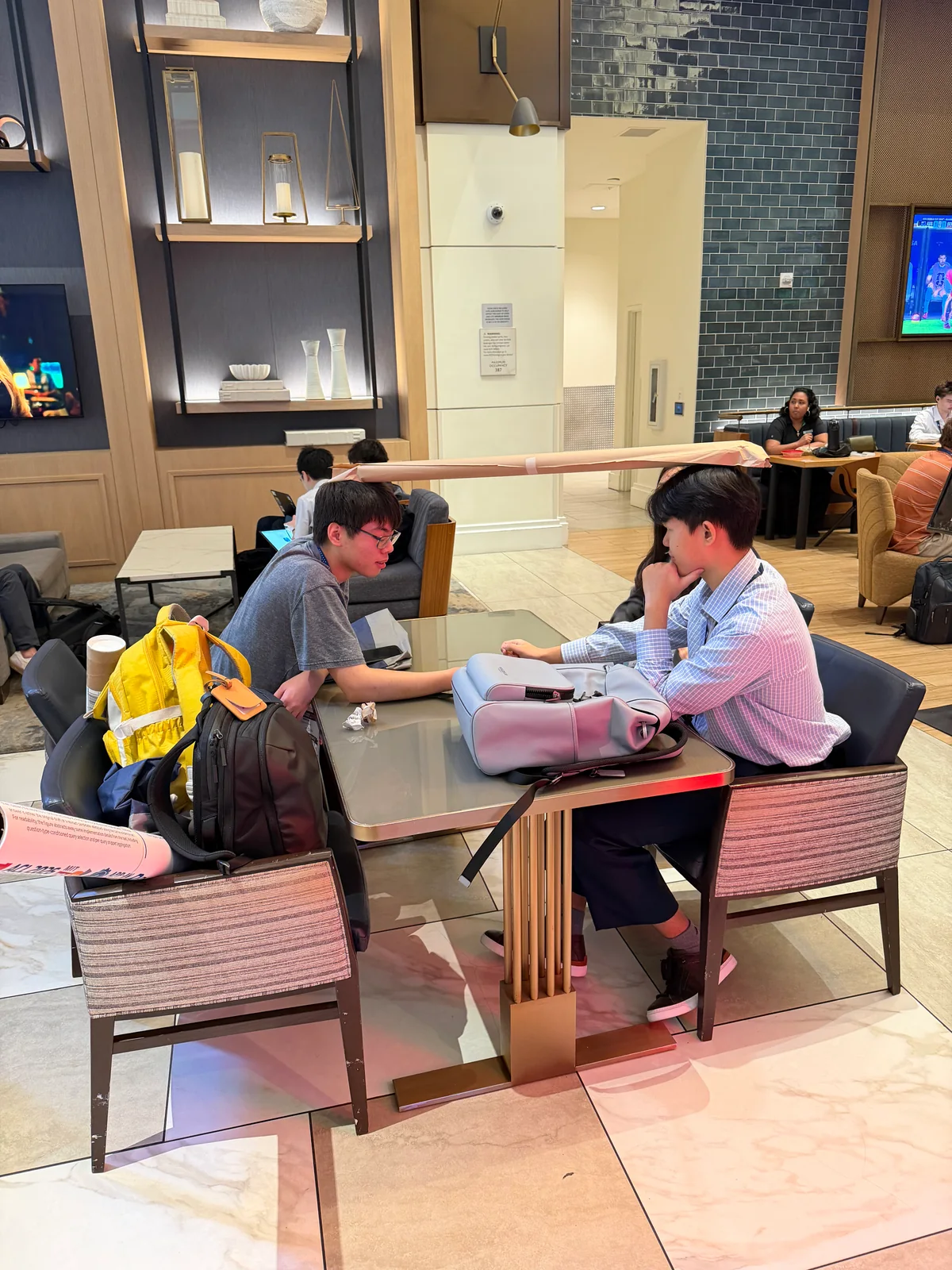
Two students in conversation around a table between conference sessions.
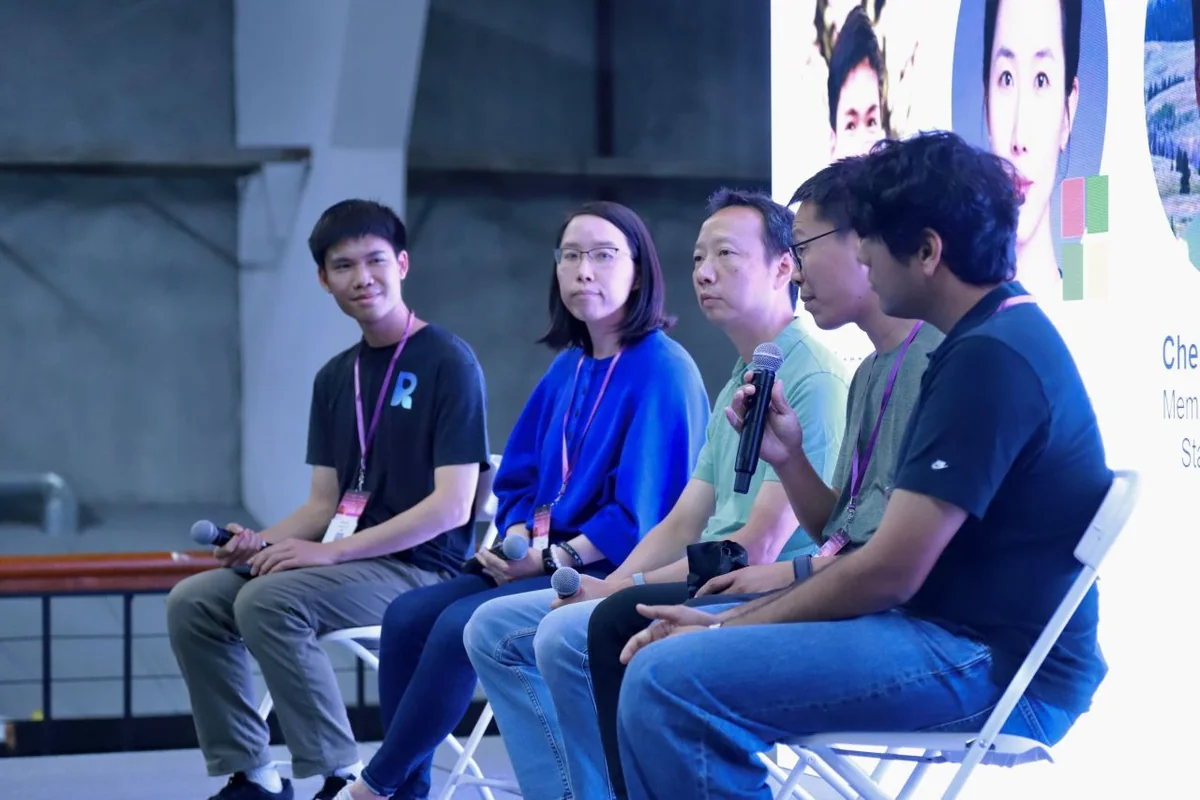
Students and researchers exchanging ideas during a panel discussion.
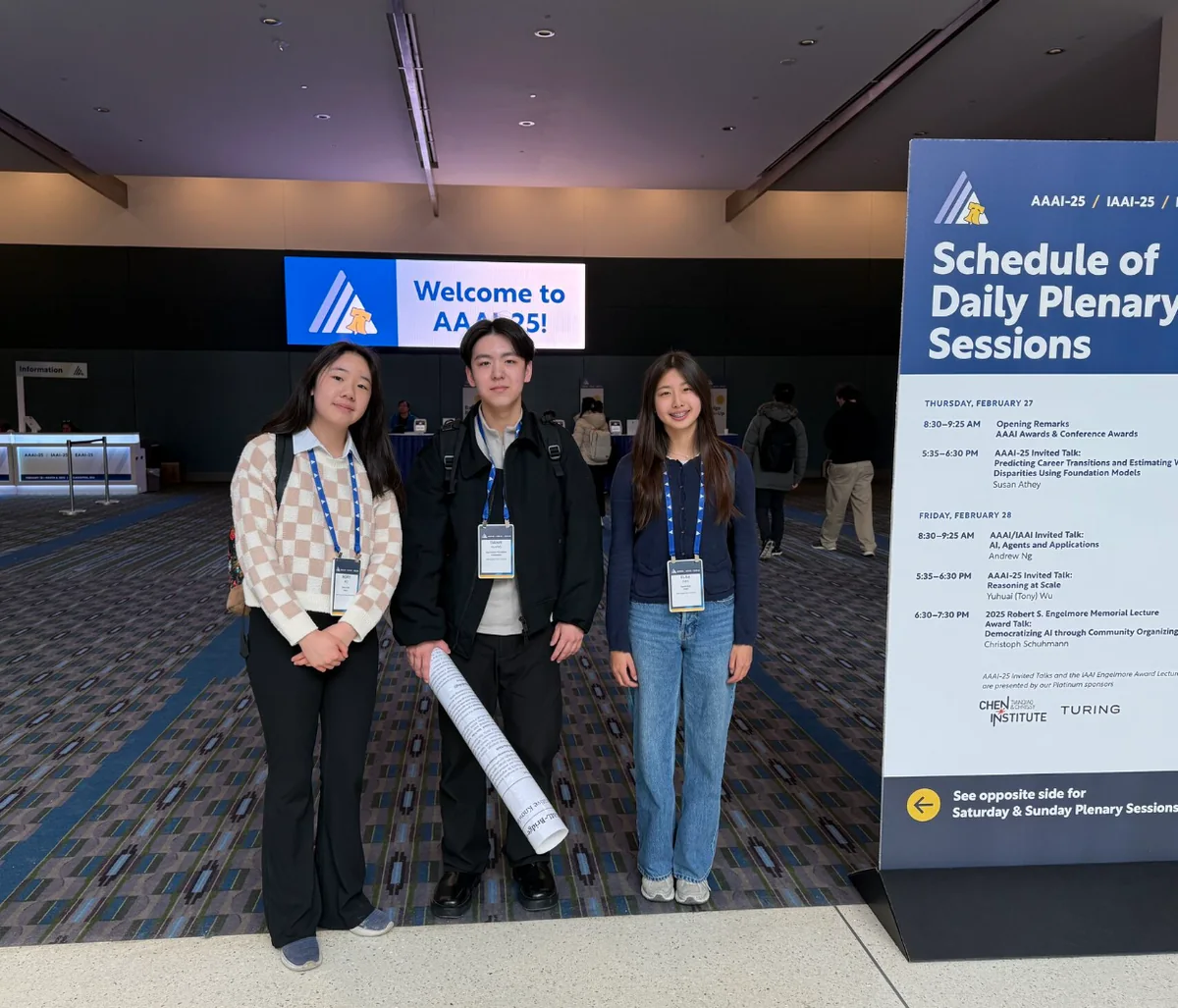
Three members of the Ryquo community together at AAAI.
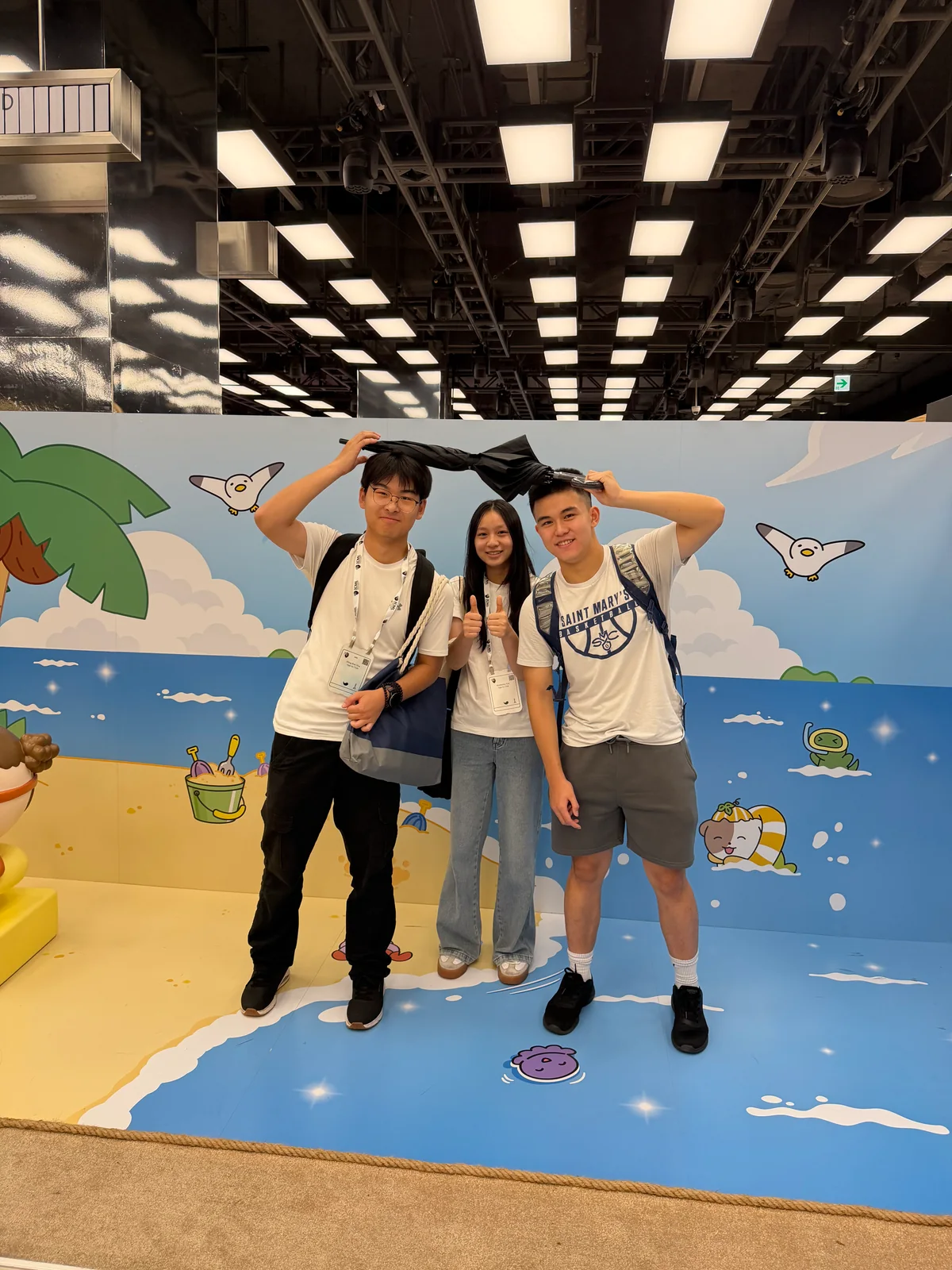
Three students smiling together beneath an umbrella in front of a colorful conference display.
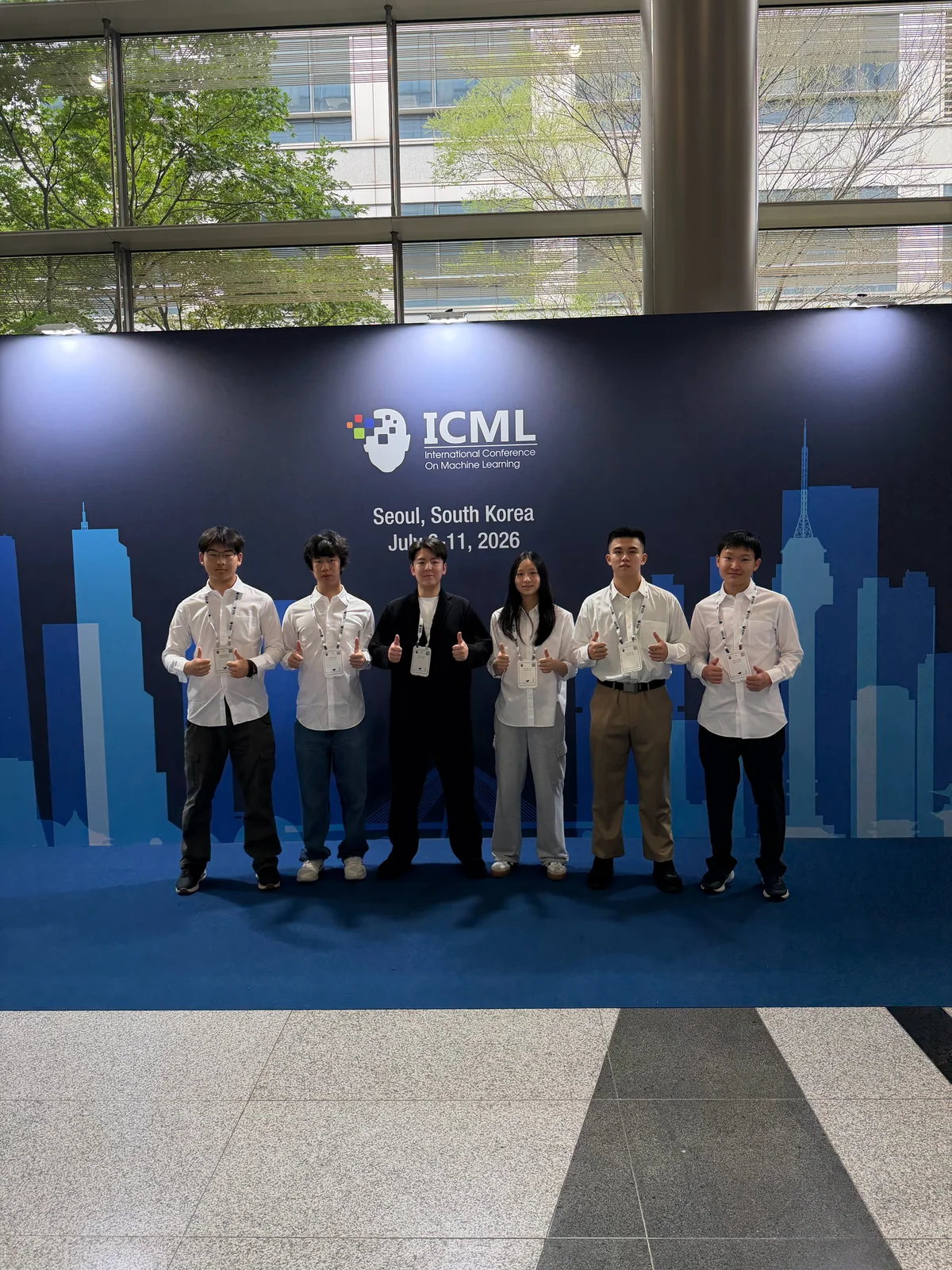
Six members of the Ryquo community together at ICML in Seoul.
Students discussing a research poster with visitors at a poster session.
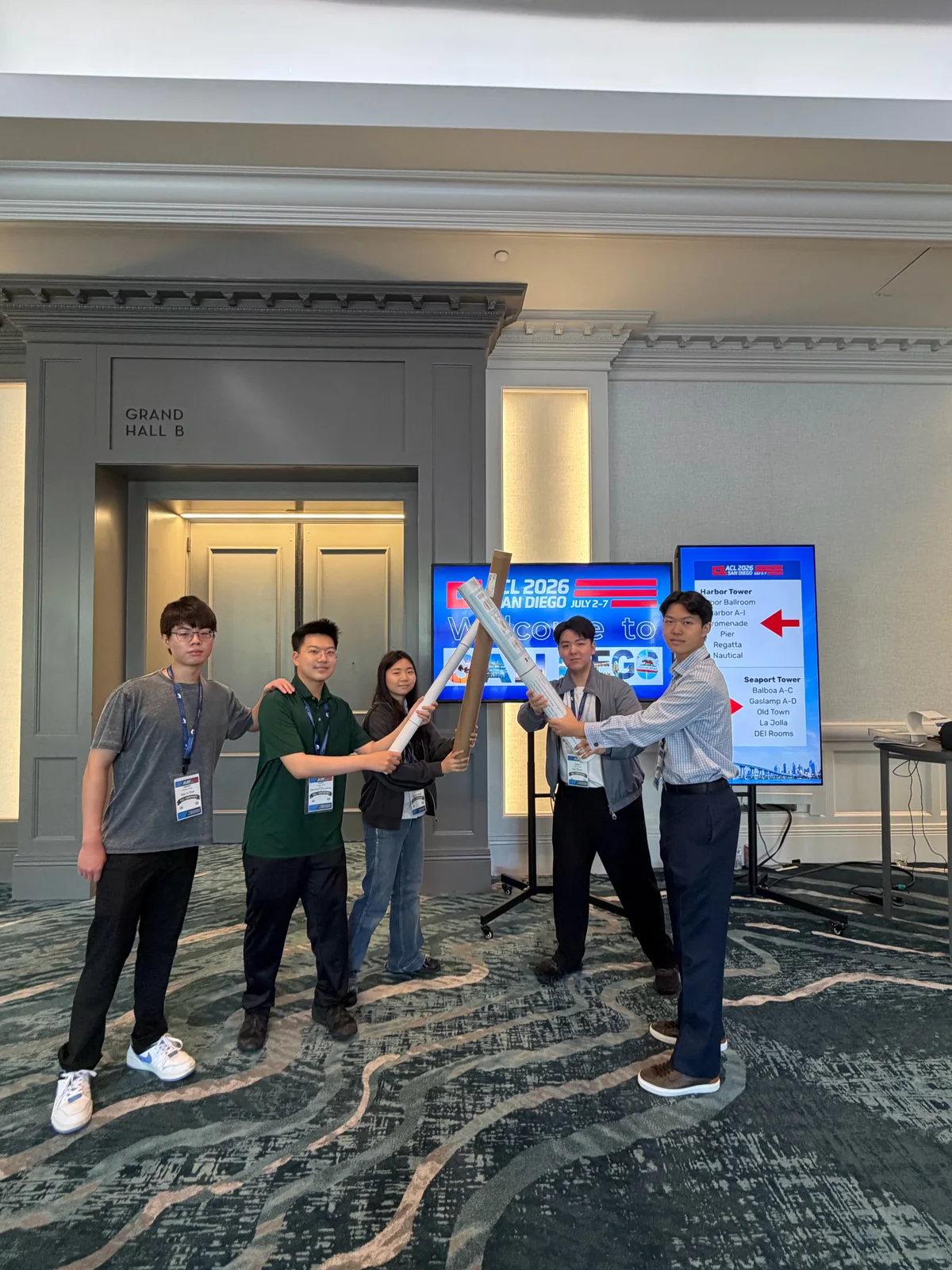
Five members of the Ryquo community holding their poster rolls together at ACL in San Diego.

Student perspectives

“My favorite thing about the way the course was taught was the activities assigned in class, such as the research paper and GitHub UI project. These projects will certainly serve as the basis for my future endeavors in coding. Working with other students, peer-reviewing, and actually doing experiments myself brought out the joy in this class.

One concept I found really interesting was using Matplotlib to simulate graphs, allowing me to use NumPy to accurately visualize data.”

Perspective 1 of 4. Fred Zhang, Amador Valley High School, AIRC 201: My favorite thing about the way the course was taught was the activities assigned in class, such as the research paper and GitHub UI project. These projects will certainly serve as the basis for my future endeavors in coding. Working with other students, peer-reviewing, and actually doing experiments myself brought out the joy in this class. One concept I found really interesting was using Matplotlib to simulate graphs, allowing me to use NumPy to accurately visualize data.


Applications

Bring your curiosity.

Find a course for your next step, or share your interests for a future research opening.

Apply to a courseApply for research