
ICLR Blogpost Track 2025
Factual context validation
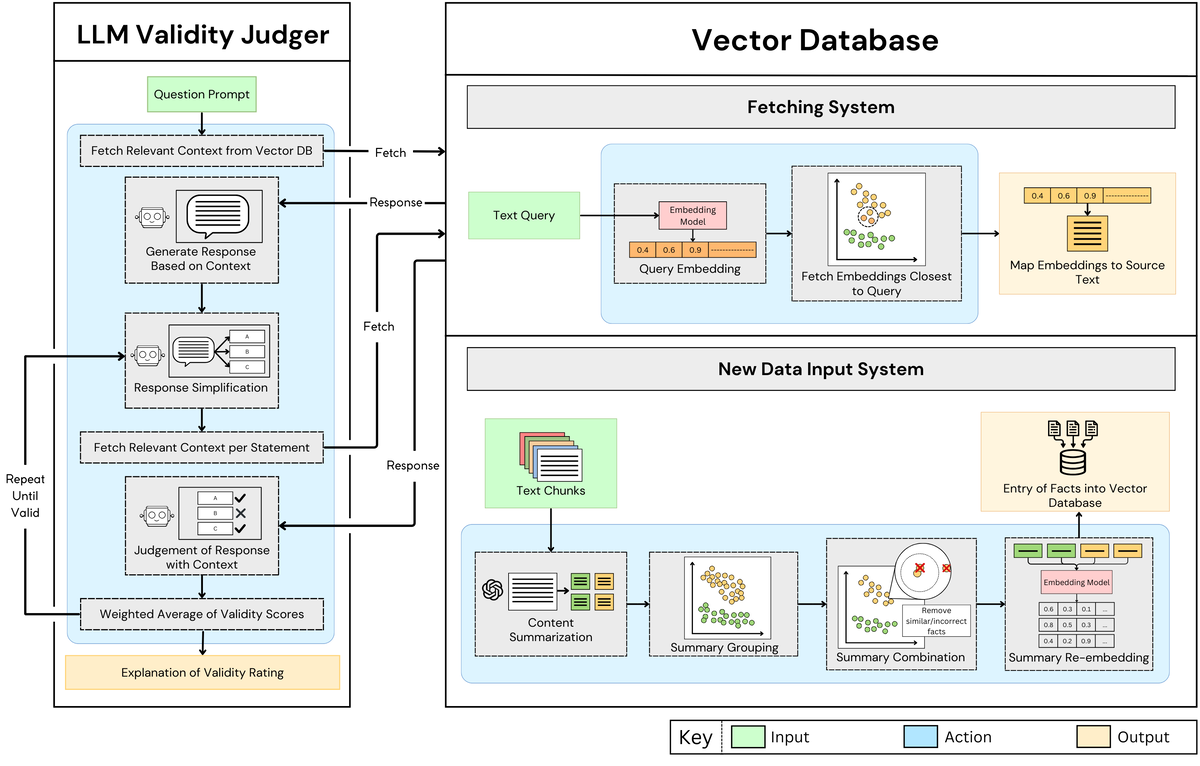
Organizes retrieved context into concise, verifiable facts to improve answer validation and reduce storage demands.

Ryquo Research
Advancing how AI reasons, earns trust, and works in the real world.
Ideas in practice
ICLR Blogpost Track 2025
Organizes retrieved context into concise, verifiable facts to improve answer validation and reduce storage demands.
Cleanlab Blog 2025
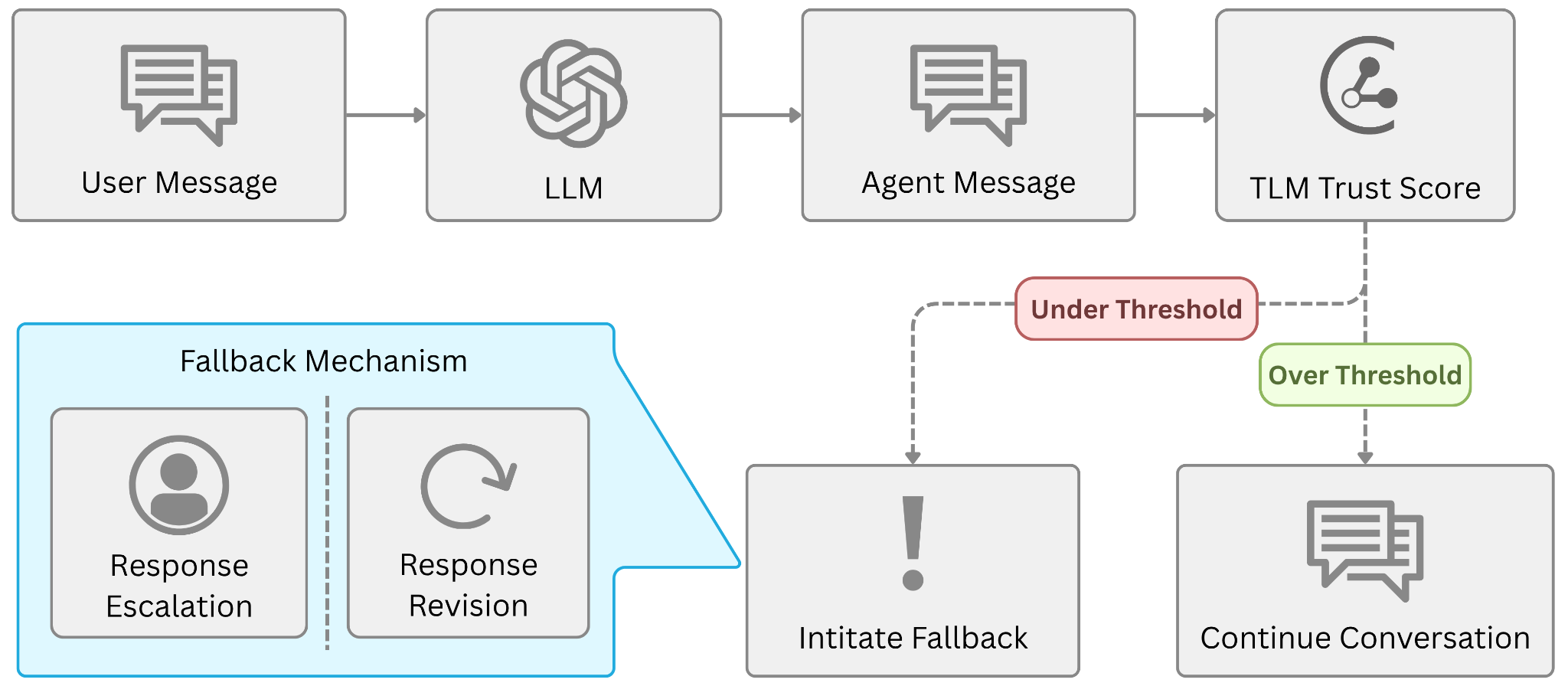
Scores each agent message for trustworthiness and uses targeted revision or human escalation to reduce failures on Tau²-Bench.
NeurIPS Workshop Math-AI 2024
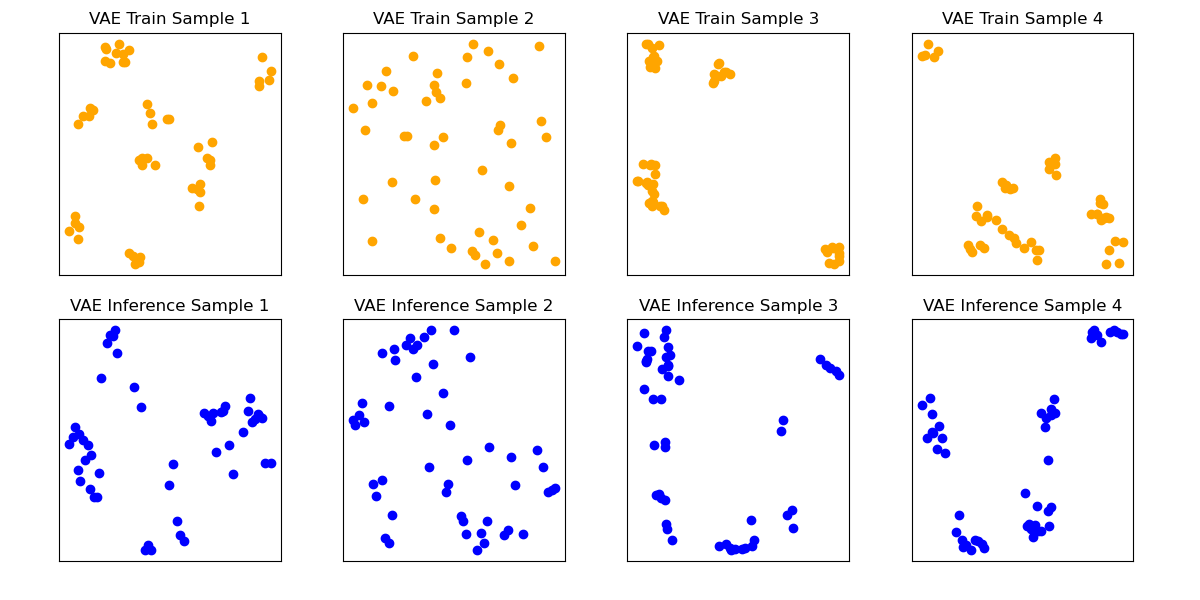
Trains neural routing solvers on generatively sampled problems to improve robustness to unfamiliar distributions, especially difficult cases.
8 publications
2026
Checks a statement against its negation to improve logical consistency and distinguish missing evidence from unnecessary abstention.
2026
Adjusts each claim's specificity to the evidence, preserving useful detail without committing to unsupported precision.
2026
Combines factuality judgments across reordered answer sets to reduce position bias and select more reliable answers.
2026
Retrieves evidence that could challenge an initial answer, then revises it only when that evidence supports a correction.
2026
Uses prompt optimization to reveal the reasoning patterns behind scientific problem solving and their limits across models.
2026
Extracts explicit facts from retrieved context and uses them to check and revise answers before they are finalized.
2025
Separates fact from opinion before assessing textual bias, pairing each judgment with a concise explanation.
2025
Combines structured PDF extraction with answer-level trust scoring to make document-based AI responses easier to assess.